• Health
  • Shopping
  • Auto
Home : Health

Top Categories

health

finance

shopping

automobile

travel

fashion

6 unusual triggers for cold sores
health

6 unusual triggers for cold sores

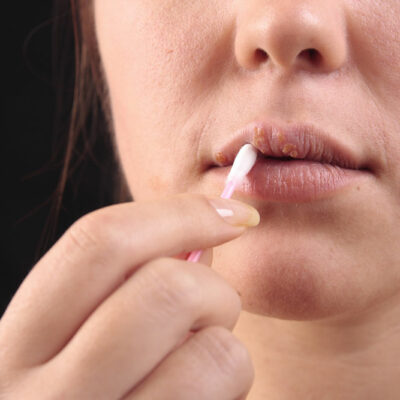
A cold sore is a condition in which individuals develop blisters on or around their lips. These fluid-filled blisters are caused by the herpes simplex virus (HSV), which jumps from person to person through close contact or sharing items like lipstick or utensils. The virus gets activated and flared up by specific triggers every so often, resulting in an outbreak of cold sores. Here are some unusual triggers for cold sores: Sunlight The sun triggers some aspects of the herpes simplex virus to cause rabid cold sore outbreaks. The sun’s UV rays inflame and irritate the skin if exposed for too long. People with cold sores will suffer the irritation and inflammation caused by UV rays in the form of blisters in and around their lips. UV rays tend to suppress an individual’s immune system and activate or awaken the dormant elements of cold sores in some people. Apart from UV rays, freezing temperatures can also trigger blistering by drying up one’s lips. All in all, if an individual has cold sores already, they must avoid being exposed to the sun constantly. Fatigue People with cold sores who are exhausted or rundown are more likely to experience flare-ups of the condition.
Read More

10 early signs of amyotrophic lateral sclerosis
health

10 early signs of amyotrophic lateral sclerosis

Amyotrophic lateral sclerosis (ALS), also called Lou Gehrig’s disease after the famous baseball player who succumbed to the disease, is a motor-neuron condition characterized by the breaking down of nerve cells in the body and leading to a degeneration of the brain and spinal cord. Approximately 5.2 per 1,00,000 individuals are affected by this neurodegenerative disease each year nationwide. Here are some early warning signs of ALS that can facilitate timely intervention: Early warning signs of ALS Difficulty walking This health condition begins with muscular weakness, which eventually poses difficulty standing and walking. Thus, ALS patients may require assistive devices like crutches or wheelchairs as the disease progresses. Problems with chewing and swallowing Since ALS involves the weakening of the masseter and temporalis muscles responsible for chewing and swallowing, individuals with ALS face difficulties carrying out these activities independently and may require assistance while having their meals. Muscle cramping Muscle cramping is a highly prevalent symptom among patients with ALS, reportedly affecting 95% of patients with this condition. Spasticity Muscle weakness due to ALS may progress to muscle tightness or spasticity, making it difficult for patients with this disease to move the different muscles in their bodies. Loss of control over emotional expression Some patients with ALS may experience a momentary loss of control over their emotional expressions, such as crying or laughing.
Read More
5 heart-healthy breakfast ideas to try today
health

5 heart-healthy breakfast ideas to try today

Eating nutritious foods is incredibly essential, especially for those with heart conditions. Certain ingredients can affect the organ and worsen existing issues, while others can help maintain heart health without compromising taste. When switching to a healthier food plan, experts recommend starting the day with the right breakfast. This first meal should support the heart and provide energy for the tasks ahead. Here are five heart-healthy breakfast ideas to try today. Whole wheat pancakes Adding whole grains to meals is a great way to keep heart health in check and potentially decrease the risk of developing cardiac diseases. Experts suggest whole grains can also help reduce cholesterol and the risk of a stroke. One of the best ways to consume whole wheat in the mornings is to make whole wheat pancakes for breakfast. Follow the usual pancake recipe, but use whole wheat flour over unhealthy varieties. Have them with seasonal fruits and a little blueberry syrup for extra deliciousness! Quinoa breakfast bowl Quinoa is another heart-healthy food that can easily be incorporated into breakfast. It contains a lot of fiber, which can help lower the risk of heart disease and diabetes and keep cholesterol and blood sugar in check. Since this ingredient is also rich in antioxidants, it may help prevent heart damage.
Read More
Debunking 5 common cord blood banking myths
health

Debunking 5 common cord blood banking myths

Cord blood (that is left in the umbilical cord and placenta after birth) contains special cells that can be beneficial in treating more than 70 types of conditions, including some genetic disorders, neurologic disorders, and even some forms of cancer. This method of stem cell banking has grown leaps and bounds in technology and popularity today. However, there are many myths floating around about cord blood banking. Here are five of them debunked: Myth 1: Banked blood stem cells are only good for 18 years Most blood banks offer cord blood storage for 18–20 years. Due to this, many people believe that stem cells ‘expire’ post this point. However, if stored safely, cord blood cells can last indefinitely. Myth 2: Taking blood samples from the birth mother is unsafe for the baby When the mother arrives at the hospital for delivery, a tiny amount of blood is drawn from her (before fluids are given). This blood is sent to a laboratory to run an infectious disease panel to screen any potential risks or threats for the child. Some people believe that giving extra blood before delivery can be dangerous. However, since a very small amount is drawn, this poses no risk of an unsafe delivery for the mother or child.
Read More
7 foods to avoid for COPD symptoms
health

7 foods to avoid for COPD symptoms

Chronic Obstructive Pulmonary Disease (COPD) is a respiratory condition characterized by obstructed airflow, leading to breathing difficulties. Individuals with COPD often face symptoms like persistent coughing, increased mucus production, shortness of breath, and wheezing, which can significantly impact their quality of life. Managing COPD necessitates a comprehensive approach, with suitable food choices playing a crucial role. Proper nutrition can help optimize lung function, strengthen the immune system, and enhance overall well-being for individuals with COPD. 7 foods that worsen COPD symptoms Processed foods Processed foods, often convenient but nutritionally lacking, can pose challenges for individuals with COPD. These items are typically high in sodium, unhealthy fats, and artificial additives, which can have detrimental effects on respiratory health. Excessive sodium intake can lead to fluid retention, potentially placing extra strain on the heart and lungs. Trans fats, commonly found in processed foods, have been linked to inflammation, which can further compromise respiratory function. For those managing COPD, it is advisable to scrutinize food labels and opt for whole, unprocessed alternatives to support optimal lung health. Cauliflower While cruciferous vegetables like broccoli, cabbage, and cauliflower offer a wealth of nutrients, they can sometimes lead to excess gas production in the digestive system.
Read More
5 foods that may help provide relief from angioedema
health

5 foods that may help provide relief from angioedema

Angioedema is a chronic condition marked by sudden and severe swelling in the deeper layers of the skin, often occurring around the eyes, lips, throat, and sometimes even the hands and feet. Various factors can trigger it, including allergies, insect bites, certain treatments, anxiety, stress, or underlying health issues. Treatment options for angioedema depend on the cause, but what one eats daily can also significantly manage this condition. Types of angioedema Allergic angioedema may be triggered by food, pollen, and other allergens, while hereditary ones can occur due to abnormally mutated genes in one’s family. Idiopathic angioedema has no known cause but may be triggered by certain ongoing treatments. Angioedema of any type usually leads to symptoms like painful swelling, vision problems, breathing difficulties due to inflamed airways, dizziness, or even collapsing. Infections, pregnancy, or birth control may also trigger the condition. In severe cases, a person might require hospitalization. Foods that can help with angioedema Certain foods are known to help provide relief from angioedema. Some of them are as follows: 1. Fruits and vegetables like tomatoes Many plant-based foods are good sources of quercetin, including tomatoes, broccoli, apples, grapes, berries, onions, and leafy greens. Quercetin is a natural antioxidant and anti-inflammatory compound found in various fruits and vegetables.
Read More
6 common signs and symptoms of angioedema
health

6 common signs and symptoms of angioedema

Angioedema is a distinctive medical condition that flares with sudden, localized swelling beneath the skin’s surface. This swelling primarily targets areas like the eyes, lips, hands, and feet, distinguishing it from other forms of swelling. It is caused by fluid buildup that impacts the subcutaneous and submucosal layers of tissues in the impacted region. In most cases, an allergic reaction is the leading cause of angioedema. Here are some common signs to look out for. Pronounced swelling The most prominent symptom of angioedema is swelling, which occurs predominantly around the eyes, lips, cheeks, hands, and feet and manifests in deeper layers of the skin. Unlike the raised, itchy patches characteristic of hives, angioedema presents with a more profound, localized swelling. This swelling may cause discomfort, especially in areas where the skin is tightly stretched, such as around the eyes. Swift and sudden onset Angioedema distinguishes itself by its abrupt onset. Unlike other forms of swelling that may develop gradually, angioedema often emerges swiftly, sometimes within minutes. This rapid progression is a notable feature, underscoring the urgency of prompt recognition and intervention. The sudden nature of angioedema can be particularly alarming for individuals experiencing it for the first time, necessitating immediate attention.
Read More
6 signs and symptoms of hemophilia
health

6 signs and symptoms of hemophilia

Hemophilia is a rare genetic disorder that affects a person’s ability to produce sufficient blood-clotting proteins or clotting factors. Consequently, the blood does not clot properly, making the individual more susceptible to bleeding and complications. The severity of the condition is related to the amount of these clotting factors, with lower levels increasing the risk of bleeding. Symptoms of hemophilia typically appear between 8 to 36 months, depending on the severity of the condition. Frequent bleeding from the gums and nosebleeds Those with a mild form of hemophilia tend to experience frequent bruising of the gums or the mucous membranes of the nose. Because of this, there are frequent instances of gum bleeding or nosebleeds. This type of bleeding lasts only for a short while in most cases. But in some cases, the bleeding can be too severe and require emergency medical care. Severe bleeding after an injury or surgery Extreme and uncontrollable bleeding during surgery or after an injury generally occurs in the cases of mild or moderate hemophilia. In most cases where diagnosis of hemophilia has not yet happened, this symptom is encountered accidentally. The unusual bleeding leads to further tests and examinations, often pointing to hemophilia. In severe cases, the bleeding can be spontaneous and occur with a tiny bruise or during minor procedures such as tooth extraction.
Read More
Showing 313-320 of 370 results

3839404142

Popular Articles

4 Small Pickup Trucks to Choose From

4 Small Pickup Trucks to Choose From

Tips to get the best car leasing deals

Tips to get the best car leasing deals

5 affordable crossover SUVs you can buy without thinking twice

5 affordable crossover SUVs you can buy without thinking twice

What to consider before buying a Chevy Silverado 1500

What to consider before buying a Chevy Silverado 1500

© 2026 Coupda.com. All Rights Reserved.

  • About Us
  • Contact Us
  • Privacy Policy
e
Do Not Sell or Share My Personal Information