• Health
  • Shopping
  • Auto
Home : Health

Top Categories

health

finance

shopping

automobile

travel

fashion

Essential foods that help with seizure management
health

Essential foods that help with seizure management

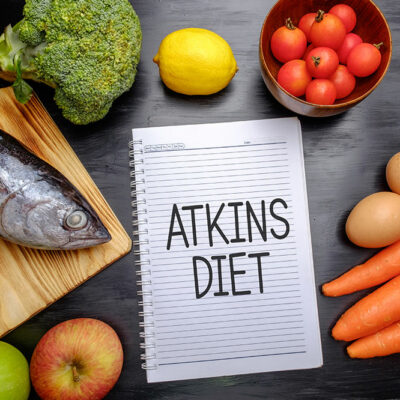
The primary point of difference between a seizure and epilepsy is the frequency of episodes. If a person has a seizure attack, it may be a singular occurrence. However, when someone has epilepsy, the chances of multiple and frequent seizures are significantly higher. Depending on the type, severity of the condition/attacks, and frequency, treatments may include medications like XCOPRI®, therapies, and the following recommendations for eating habits. Carbohydrate-rich foods Healthy carbs are recommended as part of the Modified Atkins food regimen. It has fewer restrictions and features various vegetables, fruits, legumes, and whole grains to manage one’s seizure outlook better. Popular choices include potatoes, sweet potatoes, corn, peas, and winter squash, among fresh fruits and vegetables. Split peas, chickpeas, lentils, kidney beans, black beans, and white beans are better legume choices. Additionally, whole grains like quinoa, oatmeal, brown rice, pasta, and even bread can meet the carbohydrate requirements. Protein-rich foods Protein is one of the most crucial building blocks necessary for overall growth. Protein sourced naturally from foods is rich in amino acids that help repair and maintain muscle tissue. It is also essential for boosting immunity. Primary sources of this macronutrient include lean meats, like turkey or chicken, eggs, and dairy products, including milk, yogurt, cottage cheese.
Read More
Nourishing foods for sickle cell anemia patients
health

Nourishing foods for sickle cell anemia patients

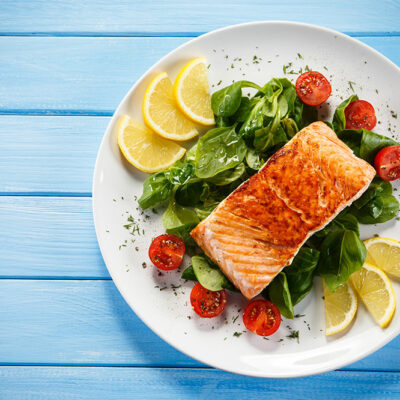
A genetic iron deficiency blood disorder is a disease that causes a deficiency of red blood cells in the body. A sickle cell anemia patient has low blood oxygen, which affects the hemoglobin. The abnormal hemoglobin leads to RBCs becoming rigid; hence, the name sickle cell anemia. Eating a balanced diet provides the nutrients required to maintain the health of a sickle cell anemia patient. Here are some foods that may help with essential nutrients. Organ meats Non-vegetarian sources of food contain heme iron. This type of iron is easier for the body to absorb than iron obtained from plant foods. Organ meats are some of the richest foods with heme iron and have been beneficial for people with iron deficiency. According to the sickle cell anemia info available, organ meat is a rich source of iron. Keep in mind that these foods are also high in cholesterol, so they should be had in moderate amounts. Fortified cereals Breakfast cereals are some of the most common food items in various households. We all have some type of cereal lying in our kitchen pantry. Many among these are said to be fortified cereals to help them meet the body’s nourishment needs.
Read More
7 foods that are rich in potassium
health

7 foods that are rich in potassium

Among several minerals and nutrients necessary for the human body, potassium often gets sidelined or forgotten. A large number of people do not get the right amount of potassium from their everyday meals. Sodium and potassium are two minerals that are responsible for maintaining electrolyte balance in the body. There are several foods that are rich in potassium and can be included in your meals. Some of them are listed below: Bananas Most people are already aware that bananas are rich sources of potassium. One medium-sized banana packs approximately 122 milligrams of potassium in it. Consuming bananas is great for ensuring that there is no deficiency of potassium in your body. You can also opt for plantains instead of bananas for similar nutrition requirements. Moreover, these foods are also rich in several other vitamins, minerals, and fibers that are good for your digestive health. Potatoes Potatoes are also essential food ingredients rich in potassium and can contain around 900 milligrams of potassium. A useful way to get the most benefits from potatoes is by consuming them with their skin intact since it is extremely rich in essential nutrients. Even sweet potatoes are also loaded with potassium and may contain as much as 500 milligrams of potassium with its skin intact.
Read More
5 foods to help tackle prostate-linked problems
health

5 foods to help tackle prostate-linked problems

The prostate is a tiny gland. But it needs more attention than you can imagine. The male gland sits below the bladder, surrounds the urethra, and makes fluids for semen. However, an unhealthy prostate can lead to medical conditions like prostate cancer, prostatitis, and Benign Prostatic Hyperplasia in men. Medications, surgery, and supplements like Prosvent® help manage or prevent symptoms. Nevertheless, combining them with these foods can also help reduce the risk of prostate problems. Broccoli Broccoli is an excellent cruciferous vegetable source that may help manage problems linked to the prostate. Research suggests that it contains phytochemicals like sulforaphane, eliminating cancerous cells and leaving the healthy prostate cells unscathed. Add broccoli to your soups, salads, stir-fries, steam it before you eat it, or eat it raw. Other cruciferous vegetables such as cabbage, Brussel sprouts, kale, and cauliflower have beneficial properties to fight prostate cancer. Legumes Foods like beans, lentils, and peanuts fall under the legume food group and are rich in phytoestrogens – biologically active plant compounds. Such phytoestrogens have shown positive results (a 20% reduced risk of prostate cancer) for people who consumed more legumes. You can always replace meat with legumes. For example, some homemade hummus or a black bean burger loaded with vegetables should serve as a healthy meal.
Read More
Bladder health: Nutrition and products for incontinence
health

Bladder health: Nutrition and products for incontinence

As the name suggests, bladder incontinence is a condition in which it becomes difficult for a person to hold their urine. Due to its embarrassing nature, many are affected emotionally and mentally and often find it difficult to be involved in outdoor activities, as they may want to use the restroom very often. Thankfully, some foods and products can help manage urinary incontinence symptoms. Let’s take a look at them. What to eat Vitamin C-rich foods According to a study published by the National Association for Continence, a moderate dosage of vitamin C received from less acidic foods helps manage bladder health. However, ensure that you are not overeating eating highly acidic or citrus fruits, as they can cause you to frequent the bathroom. Consider fruits and vegetables like pears or blueberries, broccoli, Brussels sprouts, or white potatoes. Magnesium-rich foods Foods like bananas, dark leafy greens, quinoa, black beans, nuts, and avocado are all excellent sources of magnesium and are essential for those dealing with bladder health. According to a study published by the National Association for Continence, magnesium helps reduce muscle spasms caused in the bladder that make one want to urinate. Foods rich in this mineral should be consumed more to manage overactive bladder symptoms.
Read More
Top 6 foods to relieve constipation
health

Top 6 foods to relieve constipation

Constipation is one of the most common digestive disorders, with older adults at a higher risk. One may struggle with regular bowel movements and pass stool less than three times a week when constipated. Severe cases can trigger additional symptoms that affect digestive health and function. You can manage constipation with medications and lifestyle changes. Eating the following fiber-rich foods can further relieve and speed up recovery. Apples and pears When eaten with the skin, apples can provide up to 4.8 grams of fiber for every 200 grams of fruit. It is also rich in a compound called pectin that helps process and move stools smoothly along the colon. Pears are also great for alleviating the symptoms of constipation, as they pack more than 5.5 grams of fiber for every 170 grams of fruit. Kiwi, figs, and citrus fruits Many fruits, rich in fiber and other nutrients essential for digestive function, help in constipation relief. Kiwi also helps aid stool movement and promote digestive function among those with conditions like IBS-C, which is constipation from irritable bowel syndrome. Figs and other citrus-rich fruits like mandarins, oranges, and grapefruit are also rich sources of digestive and soluble fibers when consumed with the skin.
Read More
5 foods to keep the symptoms of asthma in check
health

5 foods to keep the symptoms of asthma in check

Patients with asthma have to make several changes to their lifestyle and eating habits. Some foods have to be eliminated while some others added. Doctors often recommend changes to the diet to help manage the symptoms and keep asthma under control. These precautions go a long way in providing a patient’s life. Here are a few foods that relieve the symptoms and prove to be beneficial in the long run. Apples Apples are loaded with phytochemicals and flavonoids that can help maintain healthy lungs. These compounds also play a functional role in clearing out respiratory passageways. Additionally, apples contain high levels of antioxidants, which are always a good thing. Citrus fruits Vitamin C is an important compound when it comes to finding healthy foods. Vitamin C is an antioxidant by nature and an important component of our daily nutrition. It can be found in high quantities in citrus fruits. Having fruits like kiwi, oranges, lemon, lime, broccoli, pepper, and tomatoes can improve lung health. Honey Honey, one of the preferred sources of sweetness, is equally good at improving lung health. Honey helps relieve asthma symptoms and helps evacuate the phlegm out of the body. It can be used to sweeten drinks or foods, or it can be had with warm water each morning.
Read More
5 foods that can help fight nasal polyps
health

5 foods that can help fight nasal polyps

Nasal polyps are noncancerous tissue growths inside the nasal passages or sinuses. These growths are soft and painless and hang down like teardrops. They usually occur due to chronic or long-term sinus inflammation. Though medication is the most popular treatment option, certain foods can also provide relief from nasal polyps. The following foods contain specific ingredients that may reduce the size of the growth and help control associated symptoms like runny nose and stuffiness. Turmeric Turmeric is a yellow spice that has long been used for treating various ailments. It has powerful anti-inflammatory properties, making it a great food option for nasal polyps relief. The spice may reduce inflammation and irritation in the airways and prevent the growth of polyps. Turmeric can be used liberally in stir-fried recipes or sprinkled over salads and smoothies. Cayenne pepper Cayenne pepper is a hot pepper known for its medicinal properties. It’s beneficial for people with nasal polyps because it contains capsaicin, an active ingredient known to reduce inflammation and open up nasal passages. It can relieve nasal polyps symptoms and reduce the risk of polyp growth. Cayenne pepper can be incorporated into various recipes, including meat, pasta, veggies, sauces, and pickles. Garlic Garlic is widely used for treating the common cold and other infections, thanks to its potent antiviral and antifungal properties.
Read More
Showing 57-64 of 370 results

678910

Popular Articles

4 Small Pickup Trucks to Choose From

4 Small Pickup Trucks to Choose From

Tips to get the best car leasing deals

Tips to get the best car leasing deals

5 affordable crossover SUVs you can buy without thinking twice

5 affordable crossover SUVs you can buy without thinking twice

What to consider before buying a Chevy Silverado 1500

What to consider before buying a Chevy Silverado 1500

© 2026 Coupda.com. All Rights Reserved.

  • About Us
  • Contact Us
  • Privacy Policy
e
Do Not Sell or Share My Personal Information